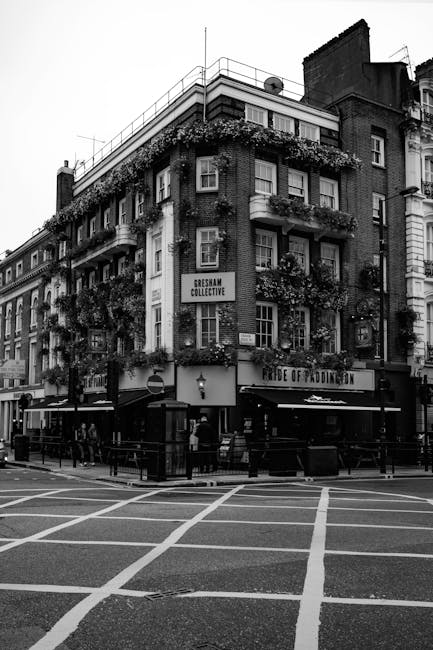
Westminster Council permits for Paddington van loading: a practical guide for Paddington moves
If you are arranging a move in Paddington, the loading bay question can become the part that suddenly eats into your day. Westminster Council permits for Paddington van loading matter because a perfectly organised move can still go sideways if the van cannot stop where you expected, or if the stop is longer than the local rules allow. That is usually when the stress starts: a driver circling the block, boxes waiting by the doorway, and a neighbour politely but firmly asking whether you are "nearly done".
This guide explains the basics in plain English. You will learn when a permit or loading arrangement may be needed, how the process generally works, what to watch out for in busy streets around Paddington, and how to plan a safer, smoother loading day. It is written to help real people moving real homes and businesses, not to overwhelm you with jargon. Let's face it, nobody wants a legal headache on moving morning.
Why Westminster Council permits for Paddington van loading Matters
Paddington is busy, tightly packed, and often less forgiving than people expect. A van loading stop that looks simple on paper can be complicated by single yellow lines, resident bays, pay-and-display spaces, time restrictions, bus lanes, nearby station traffic, and the simple fact that other people need the same kerb space. Westminster Council permits for Paddington van loading matter because they can help you avoid unnecessary disruption and reduce the chance of enforcement action.
In practical terms, the permit question is really about control. Can your vehicle stop where it needs to? For how long? Do you need temporary permission to use a bay or loading place? Are you working in a road where stopping is already restricted? Those are the little questions that decide whether a move feels calm or chaotic.
There is also a people side to this. A planned loading setup helps your removal team stay efficient, keeps the lift or staircase clear for shorter periods, and reduces the chance of having to carry heavy items further than expected. If you have ever watched a sofa being manoeuvred through a narrow Paddington hallway at 8.15 in the morning, you will know why that matters.
For many moves, the value is not only legal compliance. It is time saved, fewer awkward conversations, and less risk of damage. That can be especially useful if you are working with a man and van service or planning a more complex move such as house removals or office removals.
How Westminster Council permits for Paddington van loading Works
The exact process can vary depending on the street, the type of bay, the time of day, and the nature of the loading activity. In many London boroughs, the key idea is straightforward: if you need to stop a van in a restricted place for loading, you may need permission or you may need to use a designated loading area within certain rules. In Westminster, the details matter, and the street itself often decides the options available.
Think of it in layers. First, there is the road layout. Then the parking restrictions. Then the loading duration. Then any local enforcement rules. On top of that, you have practical realities like moving heavy furniture, building access, lift availability, and whether the van needs to remain close while items are moved downstairs. One missing layer can throw the whole plan off. Small details, big consequences.
For many local moves, the driver or organiser will look at whether loading can happen in a legal loading bay, a suspended bay, a short-term stop, or another approved arrangement. If the move involves large items, a tight stairwell, or a long carry, that planning stage becomes even more important. A simple trip with a few bags may be easy to manage. A full flat clearance is a different story entirely.
That is why service selection matters too. Some moves are better suited to a flexible man with van setup, while others are more efficient with a larger vehicle from removal truck hire or a dedicated removal van. The loading permission question sits right at the centre of that decision.
Key Benefits and Practical Advantages
People usually think about permits as a box to tick. Fair enough. But the benefits are more practical than that.
- Fewer delays: A lawful loading setup helps the team work without stopping every few minutes to move the vehicle.
- Reduced enforcement risk: If your loading activity is taking place in a restricted area, having the right arrangement can help prevent penalty issues.
- Better moving flow: Close vehicle access means shorter carrying distances and less fatigue.
- Lower damage risk: The less you carry heavy furniture through long routes, the lower the chance of knocks and scrapes.
- Cleaner scheduling: A permit-aware plan makes it easier to book helpers, elevators, and access windows.
The biggest gain is usually calm. That sounds obvious, but it is true. Moving day already has enough moving parts. Knowing your van loading plan is lined up makes everything else easier: the boxes, the timing, the communication with neighbours, even your own mood. And, honestly, your mood matters on move day.
If you are comparing broader moving support, it may help to look at removal services or a more complete package such as removals. These options are especially useful if the move is time-sensitive or involves awkward access.
Who This Is For and When It Makes Sense
Westminster Council permits for Paddington van loading are relevant to anyone planning to load or unload a vehicle in a part of Westminster where parking and stopping are controlled. That includes homeowners, tenants, landlords, businesses, students, and people moving a single item or a full property.
It tends to make the most sense when any of the following are true:
- the van needs to stop on or near a restricted street
- the move is likely to take more than a very short loading window
- there is limited access directly outside the property
- the item being moved is heavy, bulky, fragile, or awkward
- you are moving at a busy time of day
- there may be shared access with neighbours or other properties
It is also relevant for different move types. A student leaving a flat with a few bags may not need the same setup as a family moving furniture from a terraced property. A business relocating desks and boxes across Paddington will often need a more structured loading plan, especially if the building entrance is narrow or access is shared.
If you are in between decisions, a good rule of thumb is this: if you are asking yourself, "Can the van really stop there without problems?", you probably need to check the permit or loading rules before moving day. That little question is usually the correct instinct.
Step-by-Step Guidance
Here is a practical way to approach it without overcomplicating things.
- Check the street conditions. Look at the road outside the property and nearby options for stopping. Note bay markings, restrictions, and access width.
- Estimate loading time honestly. Be realistic. A one-bedroom flat with stairs and no lift can take longer than expected. Truth be told, most people underestimate this first time round.
- Decide what vehicle you actually need. A smaller man with a van arrangement might suit a light move, while larger household moves may call for moving truck support.
- Match the access to the move. If items are large or numerous, choose a setup that keeps carrying distances short and loading efficient.
- Prepare documents and booking details. Keep the address, move date, timings, and any property access notes together in one place.
- Confirm whether any local loading permission is needed. Do this early. Do not leave it until the evening before. That way lies panic.
- Build in a buffer. Traffic, lift delays, or a missing key can easily add time. Paddington mornings are rarely sleepy.
- Protect the items and the route. Use proper packing, corner protection, and sensible lifting methods, particularly for fragile or high-value goods.
Some people like to treat permits as the last thing to think about. That is usually backwards. Start with the stopping point, then build the move around it. It sounds simple, but it really does save time and hassle.
If your move includes fragile or specialist items, pair your loading plan with proper handling support such as packing and boxes or even piano removals if you are moving a difficult item that cannot be treated casually. A piano and a random loading bay do not always get along.
Expert Tips for Better Results
A few small adjustments can make a huge difference. In our experience, the best moving days are the ones where the boring details were handled early.
- Measure the carrying route. From door to vehicle, count steps, turns, and door widths. It is surprisingly easy to underestimate the route in older Paddington buildings.
- Keep the van loading area clear. Ask residents or colleagues not to block the route with bins, bikes, or deliveries.
- Load in order of need. Put the items you will need first closest to the exit and keep essentials separate.
- Use timed communication. If you are coordinating movers, let everyone know the window for vehicle arrival, lift use, and departure.
- Plan for weather. A wet London morning changes the pace. Cardboard and drizzle are not friends.
- Choose the right service for the job. A small move may only need man and van, while a larger household move may be better handled by house removals.
A quiet tip from the field: keep a small bag with essentials separate from the rest. Keys, charger, water, paperwork, tape, a pen. That little bag tends to become priceless at 11:40 when everything else is in the van.
Also, if the schedule is tight, consider whether a same-day plan is appropriate. Same day removals can be helpful in urgent situations, but only if the access plan is solid. Urgency without structure usually creates more stress than speed.
Common Mistakes to Avoid
Most loading problems are predictable. The frustrating part is that people often only see them after the fact.
- Assuming any stop is fine. A street that looks convenient can still have restrictions that matter.
- Leaving permit checks too late. This is one of the easiest ways to create same-day pressure.
- Underestimating loading time. One extra staircase run can change everything.
- Forgetting the building side of access. A legal kerbside stop is not helpful if you cannot get out of the building efficiently.
- Choosing the wrong vehicle size. Too small means more trips; too large can be awkward in tight Paddington streets.
- Not protecting items properly. A rushed move with poor packing is asking for chipped corners and grumpy faces.
There is another common one: assuming the mover will magically sort everything without being told the access constraints. Good movers can adapt, absolutely. But they still need accurate information. A five-minute conversation before the job can save fifty minutes on the day.
Tools, Resources and Recommendations
You do not need a giant toolkit, just a sensible one. For a Paddington loading day, the most useful resources are often practical rather than fancy.
- Move notes: keep address details, access instructions, and contact numbers in one place.
- Box labels: label rooms and contents so loading and unloading stays organised.
- Protective packing: use sturdy materials where items are fragile or awkward.
- Floor protection: helpful in shared hallways and rented properties.
- Clear schedules: a written timeline reduces confusion when multiple people are involved.
For customers who want broader move support, it can help to compare flat removals, home moves, and student removals depending on the property type. The best choice depends on access, volume, and how much help you want on the day.
If the move is tied to work, commercial moves and office relocation services are worth considering, especially where downtime needs to be kept low.
Law, Compliance, Standards, or Best Practice
When people talk about permits and loading, they are usually talking about practical compliance: following the parking and stopping rules that apply to a specific street and time period. The exact legal position depends on the local restrictions in force and the activity taking place. Because that can change from one road to the next, it is sensible to treat each move as a fresh check rather than relying on memory from a previous job.
Best practice is simple:
- check the street restrictions before the move
- plan the loading window around realistic timings
- avoid blocking traffic or pedestrian access
- make sure the vehicle used is appropriate for the street
- keep communication clear between the property, driver, and helpers
There is also a safety angle. Proper loading behaviour protects people as much as it protects property. Heavy lifting, tight kerb space, and fast-moving traffic are a poor mix. A good loading plan respects that. If you want a provider with a safety-focused approach, it is worth reading the site's health and safety policy and insurance and safety information before booking.
For businesses, this is especially important. Office moves often involve shared entrances, courier traffic, IT equipment, and staff on site. A careful compliance plan reduces disruption and keeps everyone on the same page. No one enjoys a loading bay standoff before a Monday meeting.
Options, Methods, or Comparison Table
Different moving setups suit different levels of access and load complexity. Here is a simple comparison to help you think it through.
| Option | Best for | Why people choose it | Watch-outs |
|---|---|---|---|
| Man and van | Small to medium loads, flexible timing | Simple, adaptable, often efficient for local moves | May be less suitable for larger furniture or long loading times |
| Removal van | General home moves and mixed items | Balanced capacity and practicality | Access still needs checking in tight streets |
| Moving truck | Larger moves with more volume | Useful when there are many boxes or bulky items | Can be harder to position in narrow or restricted areas |
| Removal truck hire | Planned moves needing extra capacity | Good when the job is bigger than a standard van move | Needs careful access and loading planning |
If you are unsure which option fits your situation, think about volume first, then access, then timing. Not the other way round. It is a simple order, but it saves a lot of second-guessing.
Case Study or Real-World Example
Here is a realistic example. A couple moving from a Paddington flat had a mix of furniture, packed boxes, and one awkward wardrobe that had to be taken apart before it would fit. The street outside was busy, and the entry point was just off a narrow road with limited stopping space. Rather than leaving the van plan until the morning, they checked the loading situation in advance, chose a vehicle that matched the volume, and made sure the removal team knew the access route inside the building.
What made the difference was not speed. It was sequencing. The smaller items were packed first, the wardrobes were dismantled the day before, and the lift booking was confirmed in advance. The loading stop was kept tidy and short. The whole thing still took effort, of course, but it avoided the classic scramble where everyone is carrying things in silence while one person jogs between the van and the front door looking mildly haunted.
That is the real lesson. Good loading plans are rarely glamorous. They are just quietly effective.
Practical Checklist
Use this before moving day.
- Confirm the move date and preferred loading time
- Check whether the street has stopping or loading restrictions
- Decide which vehicle size suits the load
- Measure large items and doorways
- Label boxes clearly by room
- Pack fragile items securely
- Keep essentials separate for quick access
- Confirm building access, lift use, and key collection
- Tell movers about stairs, tight turns, or shared entrances
- Allow extra time for traffic and loading delays
- Review safety and insurance details before the job starts
- Have a backup plan if the planned stopping place is unavailable
That last one is worth keeping in mind. A move feels much less stressful when you have a plan B. Sometimes that is all you need to keep the day on track.
Get a free quote today and see how much you can save.
Conclusion
Westminster Council permits for Paddington van loading are really about making a move workable in a busy part of London. When you understand the access rules, choose the right vehicle, and plan the loading window properly, you take a lot of pressure off the day itself. That means fewer delays, fewer surprises, and a far better chance of finishing with your sanity intact.
If you are moving a home, a flat, a student room, or an office, the best next step is to treat the loading point as part of the move plan rather than an afterthought. Check the access, choose the right support, and prepare the practical details early. It is the kind of preparation that feels small at the start and huge by lunchtime.
And once the last box is in the van and the doorway is clear, you really do feel it - that satisfying, ordinary relief. Job done. On to the next chapter.
Frequently Asked Questions
Do I always need a permit for van loading in Paddington?
Not always. It depends on the street, the parking restrictions, the time of day, and how long the vehicle needs to stop. Some loading situations may be possible within existing rules, while others may need formal permission or a different arrangement. It is best to check the specific location rather than assume.
What is the difference between loading and parking?
Loading is usually a short stop for moving items in or out of a vehicle. Parking means the vehicle is left stationary for a longer period. The distinction matters because some streets allow loading for limited periods even where parking is restricted. That small difference can be the difference between a smooth move and a fine.
How far in advance should I arrange Westminster Council permits for Paddington van loading?
As early as you can. The earlier you check, the easier it is to work around restrictions, building access, and move timings. Leaving it to the last minute can limit your options, especially in a busy area like Paddington where kerb space is often tight.
Can a man and van service handle permit-related loading in Westminster?
Yes, many can, provided the access plan is clear and the vehicle is suitable for the street. A flexible man with a van setup can work well for smaller or simpler moves, while larger jobs may need a different vehicle or more structured planning.
What happens if the van cannot stop right outside the property?
Then the carrying distance increases, and the move usually takes longer. It may still be manageable, but it can affect labour time, safety, and the overall flow of the job. That is why planning a legal and practical loading point matters so much.
Are Paddington flat moves more likely to need loading planning?
Often, yes. Flats in central London can involve shared entrances, stairs, lifts, and restricted roadside access. Flat removals benefit from careful loading planning because access can be the trickiest part of the move, not the furniture itself.
Do business moves need the same level of planning?
Usually they need even more. Office loads often involve equipment, documents, staff access, and time-sensitive arrangements. A well-planned office removals job should account for the loading point, access windows, and any need to minimise disruption.
What should I tell my mover before moving day?
Tell them about the street layout, any restrictions, the size of the load, stairs or lift access, and any difficult items. The more accurate the information, the better the loading plan will be. A ten-second detail can save twenty minutes later.
Is same-day loading or same-day removal risky?
It can be if you have not checked access and restrictions first. Same day removals work best when the route, stop point, and vehicle size are already clear. Speed is helpful, but only when the basics are organised.
What should I do if I am moving a heavy item like a piano?
Plan much more carefully than you would for general boxes or light furniture. Heavy items need good handling, proper vehicle access, and enough space at the kerb and inside the property. Piano removals are a good example of where loading planning really cannot be left to guesswork.
How do I know which moving option is right for me?
Start with the volume of items, then check the access, then decide how much help you want. A lighter move may suit man and van, while larger household moves may need house removals or a larger vehicle. If you are unsure, compare the job rather than just the price.
Where can I get more information about booking and service details?
You can review the company's pricing and quotes, terms and conditions, and about us pages to understand how the service is structured and what to expect. That kind of review is boring, admittedly, but very useful.