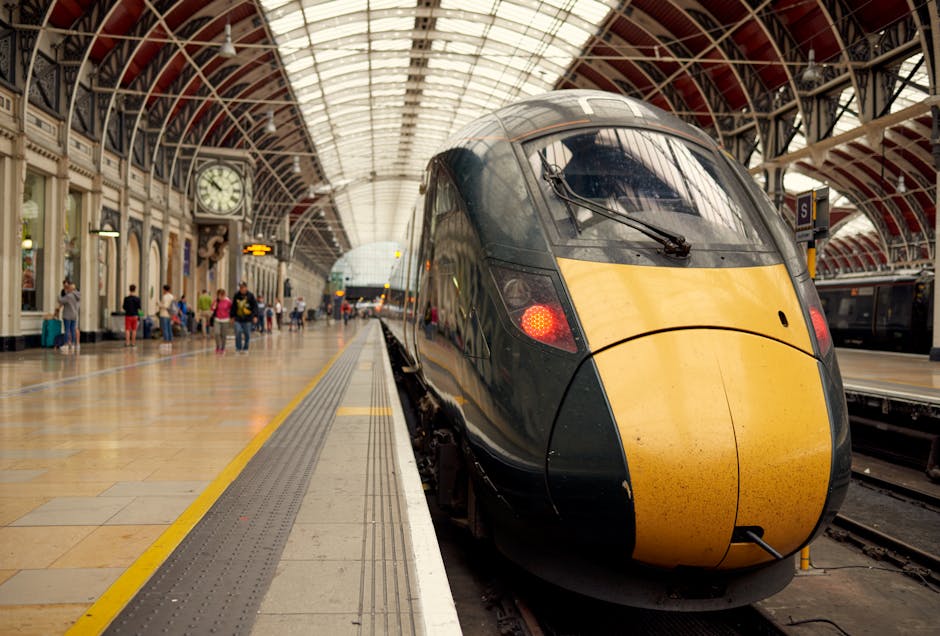
Parking fines: what Paddington movers must avoid
If you are moving in Paddington, parking can be the thing that quietly turns an otherwise sensible move into an expensive one. A van that stops in the wrong bay, blocks a dropped kerb, or outstays a loading window can trigger a penalty before the boxes are even inside. This guide on Parking fines: what Paddington movers must avoid breaks down the common traps, why they matter, and the simple planning steps that help you keep the move calm, lawful, and on schedule.
Paddington is busy, tight for space, and full of the little details that catch people out: resident bays, single yellow lines, controlled hours, commercial loading restrictions, and impatient traffic. Let's face it, the road outside a flat rarely feels generous on moving day. The good news is that most parking problems are avoidable with a bit of preparation, a sensible unloading plan, and the right vehicle choice, whether you are organising a house move, a flat relocation, or a quick man and van job.
Below, you will find a practical, human guide to the most common parking mistakes movers make in Paddington, how to reduce risk, and what best practice looks like when time is short and the street is already crowded.
Table of Contents
- Why parking fines matter during a Paddington move
- How parking fines typically happen
- Key benefits of planning parking properly
- Who this is for and when it makes sense
- Step-by-step guidance for avoiding fines
- Expert tips for smoother moving-day parking
- Common mistakes to avoid
- Tools, resources and recommendations
- Law, compliance and best practice
- Options and comparison table
- Case study or real-world example
- Practical checklist
- Conclusion
- Frequently Asked Questions
Why Parking fines: what Paddington movers must avoid Matters
Parking fines are not just an annoying extra cost. During a move, they can create a chain reaction: delayed unloading, stressed neighbours, blocked access, more carrying distance, and sometimes extra labour time too. In a place like Paddington, where roads can be narrow and traffic steady, a tiny parking mistake can affect the whole schedule.
It matters especially for removals because moving day already has enough moving parts. Someone is calling the lift, someone is carrying a mattress, someone else is trying to find the front door key, and then the driver is glancing at a sign that may or may not allow unloading for long enough. A parking issue at that moment can snowball fast.
There is also a trust angle. If you are using a professional removal services provider, you expect the job to be managed in a way that avoids avoidable disruption. Parking planning is part of that. It shows forethought, respect for the street, and a practical understanding of how London moves work in the real world.
Expert summary: In Paddington, the safest moving plan is rarely the fastest-looking one. A few extra minutes spent checking parking, access, and unloading distance can save you a lot more in fines, delays, and stress.
How Parking fines: what Paddington movers must avoid Works
Parking fines usually happen when a vehicle stops, waits, or loads in a location that is not permitted at that time. That can include restricted bays, a yellow line during controlled hours, a loading bay used outside its rules, or a location where the vehicle blocks access or traffic. The exact wording and enforcement method can vary, so movers should treat every street sign as meaningful, not decorative. Signs are not there for ambience. Sadly.
For movers, the real issue is that unloading rarely happens in one neat, five-minute burst. Boxes may need to come down from an upper floor, furniture may require careful handling, and the vehicle may have to remain nearby while multiple trips are made. If the parking arrangement does not match that reality, the risk of enforcement rises quickly.
Paddington's mix of residential blocks, commercial streets, and busy main routes makes timing especially important. A place that is fine for a short drop-off at 9am might be less forgiving at lunchtime or late afternoon. This is why moving day parking should never be an afterthought.
In practical terms, the process works like this:
- Check the street layout and nearby restrictions before move day.
- Decide where the vehicle will stop for loading and unloading.
- Confirm whether the stop is temporary, permitted, or needs a formal arrangement.
- Keep the carry route as short and safe as possible.
- Assign someone to watch time, signage, and any change in street conditions.
If you are moving a flat, a family home, or even coordinating office contents with office removals, the logic is the same: the parking plan has to fit the move, not the other way around.
Key Benefits and Practical Advantages
A good parking plan does more than avoid fines. It improves the whole moving day in ways people only notice once the pressure is on.
- Less stress: Nobody enjoys watching a driver circle the block while the sofa waits on the pavement.
- Faster loading and unloading: Shorter distances mean fewer trips and less fatigue.
- Lower risk of damage: The less you carry across kerbs, corners, and traffic, the better.
- Better neighbour relations: Smooth parking is quieter, cleaner, and less disruptive.
- Reduced chance of extra costs: Fines, delays, and overtime can all be avoided with early planning.
There is also a practical benefit for awkward items. If you are moving a piano, a wardrobe, or fragile boxes, a shorter and safer carry route matters far more than people expect. That is one reason customers planning specialist items often look at piano removals or careful furniture removals alongside parking arrangements.
And if the move involves multiple stages, parking becomes even more valuable. A sensible stop outside the property can be the difference between a clean, organised move and a day that feels like a relay race.
Who This Is For and When It Makes Sense
This guidance is for anyone moving in or around Paddington who wants to avoid the sort of parking slip-up that turns into a costly irritation. That includes:
- homeowners moving into or out of a house
- tenants moving between flats
- students with limited time and lots of bags
- small businesses relocating equipment or stock
- people using a man with van service for a smaller move
- larger households using a full home moves package
It makes sense any time the vehicle will need to pause in a public space near the property. That sounds obvious, but in practice people often think, "It's only ten minutes." Then one awkward chair, one lift delay, or one missing key changes the whole picture.
Truth be told, the people who benefit most from this advice are the ones who think they do not need it. If your move is small, you may assume parking is simple. If your move is large, you may assume the removals team will handle everything. In both cases, the street still has the final say.
Step-by-Step Guidance
Here is the simplest way to reduce parking-fine risk without overcomplicating the move.
1. Inspect the street before the move
Walk the route if you can. Check for signs, bay markings, loading restrictions, double yellow lines, dropped kerbs, and any obvious pinch points. A street can look "fine" from the car, but moving vehicles need more margin than a normal stop.
2. Work out how long loading will actually take
Be realistic. If you are on a second-floor walk-up, have a long hallway, or are moving bulky furniture, allow extra time. Packing speed matters too, which is why organised packing and boxes support can make the parking plan easier by reducing last-minute chaos.
3. Choose the right vehicle size
A vehicle that is too large can make parking harder, increase the chance of obstruction, and create more pressure on the unloading area. On the other hand, a vehicle that is too small can mean multiple trips and more time on the street. That is why the choice between a van, a larger truck, or a moving truck matters more than people think.
4. Reduce the carry distance
The shorter the route from vehicle to front door, the better. This is not just about speed; it also reduces the likelihood of trips over pavement clutter, door thresholds, and awkward corners. You can feel the difference, honestly, after the fifth box.
5. Keep one person focused on parking and timing
During busy moves, nobody wants to be the "parking person," but someone should keep an eye on the clock and the vehicle position. That role can prevent a small issue becoming a fine.
6. Build in a buffer
Paddington is not the place to run everything to the last minute. Give yourself breathing room for traffic, lift delays, wet weather, and the inevitable missing screwdriver. A 15-minute buffer can be surprisingly valuable.
7. Confirm the plan with your mover
If you are working with a professional team, share the access details in advance. Good operators can often suggest a cleaner approach, or recommend alternatives such as a different vehicle type or a staged load. If the move is urgent, a same day removals service may still need careful parking planning, maybe even more so.
Expert Tips for Better Results
These are the small, practical things that tend to make a real difference in Paddington.
- Do not assume "stopping briefly" is harmless. Brief stops can still be enforceable if the sign or bay rules say otherwise.
- Avoid guessing at loading zones. If you are uncertain, check the signage properly rather than trusting your first impression.
- Prepare the property before the vehicle arrives. Front-door keys, box labels, and dismantled furniture should be ready. Late preparation means longer parking time.
- Plan for rain. Wet boxes and slippery pavements slow everything down. London weather has a mischievous sense of timing, naturally.
- Use a second set of hands for decision-making. One person can watch the street while another deals with the load.
If you are moving out of a flat, the building rules may matter as much as the street rules. Lift booking, delivery access, and concierge instructions can all affect how long the van stays in place. In many cases, a flat removals approach is really about coordination as much as lifting boxes.
One more thing: avoid letting the driver "just wait there for a minute" if the location is questionable. That sentence has caused more headaches than people admit.
Common Mistakes to Avoid
Here are the classic errors that lead to fines, delays, or both.
| Mistake | Why it causes problems | Better approach |
|---|---|---|
| Parking by instinct | Looks convenient, but may be restricted | Read the signs and markings first |
| Underestimating unloading time | Longer stays increase enforcement risk | Allow a realistic time buffer |
| Using a vehicle that is too large | Harder to position safely and legally | Match the vehicle to the property and load |
| Forgetting building access rules | Lift or concierge delays hold up the vehicle | Confirm access before moving day |
| Leaving parking decisions until arrival | Stress rises and options shrink | Plan the stop point in advance |
Another common mistake is treating parking as the driver's problem alone. In reality, the customer, mover, and anyone controlling building access all affect the outcome. If communication is messy, the street becomes messy too.
For business moves, the same logic applies, only with more equipment and more people waiting around. A well-planned commercial moves schedule should include where the vehicle can stop, how long it can stay, and what happens if loading takes longer than expected.
Tools, Resources and Recommendations
You do not need a complicated toolkit to avoid parking fines, but a few simple things help a lot.
- Printed move plan: Keep the address, floor number, access notes, and parking notes together.
- Phone photos: Take pictures of signs and markings before unloading. That can help if there is later confusion.
- Timer or stopwatch: Useful for tracking how long the vehicle has been in place.
- Floor plan or route note: A simple note showing the shortest path into the property can save time.
- Packaging support: Well-labelled boxes reduce last-minute sorting. See packing and unpacking services if you want the job to feel less chaotic.
- Temporary storage option: If the move is split across days, storage can reduce pressure on the unload window.
For some people, the right answer is simply a smaller, better-managed move. A man with a van arrangement can work well for compact loads, while a larger household may prefer a more structured removal setup. Either way, parking should be part of the conversation from the beginning, not the bit everyone improvises over coffee at the kerb.
If you are comparing providers, it can also help to look at how they handle process and pricing. A clear pricing and quotes page often tells you something about how carefully a company thinks about planning.
Law, Compliance, Standards, or Best Practice
Parking enforcement in London is based on local rules, street signage, and road markings, so movers should always treat on-street stopping as a compliance issue rather than a casual convenience. This article does not provide legal advice, and it is wise to check the exact restrictions that apply to your address and time of day before moving day.
Best practice is straightforward:
- follow all visible signs and bay markings
- avoid blocking access points, dropped kerbs, or crossings
- do not assume a loading stop is allowed without checking
- keep the vehicle movement efficient and minimal
- communicate parking constraints clearly to everyone involved
From a professional removals perspective, there is also a duty to work safely and sensibly around the vehicle. Good handling, good communication, and good access planning all sit together. That is one reason many people choose established movers who also pay attention to health and safety and insurance and safety rather than just the cheapest headline.
If your move is tied to a larger building, office, or warehouse, it can be smart to review the property's own moving rules as well. For business customers, that may mean coordinating with office relocation services or a more tailored removal plan.
Options, Methods, or Comparison Table
Different moving setups create different parking risks. The table below gives a simple comparison.
| Move type | Parking risk level | Main advantage | Main caution |
|---|---|---|---|
| Small van move | Lower to moderate | Easier to position in tighter streets | May need more trips if the load is underestimated |
| Mid-size removal vehicle | Moderate | Good balance of capacity and access | Needs a sensible stopping point |
| Large truck | Higher | Fewer trips for larger homes or offices | Harder to manoeuvre and park legally |
| Staged move with storage | Lower on the main day | Less pressure at the property | Requires good planning across two steps |
If you are dealing with limited access, a staircase, or furniture that needs careful handling, think about the job in terms of time, not just volume. A vehicle that looks convenient on paper can be awkward in the street. That is why some people choose a specialist removal van or a more managed service rather than trying to solve parking on the fly.
Case Study or Real-World Example
Picture a typical Paddington flat move on a weekday morning. The buyer is collecting keys at 10:30, the building lift needs booking, and the van arrives just after the school run traffic has eased. Everything looks fine at first. Then the driver discovers the nearest obvious bay is not available for the full unload period, and the building entrance is a little farther away than expected.
The result could go two ways. In the rushed version, the team parks wherever they can, carries the first few boxes, and spends the next hour worrying about tickets, obstruction, and whether the driver can stay. In the organised version, they have already checked the access notes, chosen a legal stopping point, kept one person watching the clock, and moved the most awkward furniture first. Same street. Very different day.
That kind of planning is especially useful for student moves too. Student relocations often happen quickly, with mixed load sizes and a fair amount of last-minute organisation. A bit of parking foresight can be the difference between a tidy handover and a nervous scramble on the pavement.
And yes, sometimes the best-planned move still has a small hiccup. That is normal. The point is to reduce the avoidable ones.
Practical Checklist
Use this checklist on the day before and the morning of the move.
- Confirm the property address and access point
- Check all visible parking signs and bay markings near the property
- Decide exactly where the vehicle should stop
- Estimate unloading time with a buffer
- Make sure boxes are packed and labelled
- Keep essential items separate and easy to reach
- Tell the mover about stairs, lifts, concierge rules, or narrow entrances
- Prepare a backup parking option if the first spot is unavailable
- Take photos of the area if anything looks unclear
- Keep communication open during loading and unloading
If you are moving heavier household items, it can also help to think beyond parking and into handling. Services such as house removals or house removalists are often chosen because they bring a more organised approach to the whole process, not just the transport.
Conclusion
Parking fines are one of the easiest moving costs to avoid, yet they are also one of the easiest to trigger if you leave the plan until the van is outside. For Paddington movers, the winning formula is simple: check the street, plan the vehicle position, allow enough time, and communicate clearly with everyone involved. That combination saves money, reduces stress, and makes the whole day feel a lot more manageable.
Whether you are doing a compact flat move, a family relocation, or a business transfer, the street outside still matters. A careful parking plan is not a luxury. It is part of a well-run move. And honestly, once it is sorted, everything else tends to feel easier.
Get a free quote today and see how much you can save.
When the boxes are stacked, the kettle is in a crate somewhere, and the van is finally parked where it should be, the day can still go well. That little bit of planning really does carry a move a long way.
Frequently Asked Questions
What are the most common parking mistakes Paddington movers make?
The biggest mistakes are parking without checking signs, assuming a short stop is automatically allowed, underestimating unloading time, and choosing a vehicle that is awkward for the street. Those are the ones that tend to cause fines or delays first.
Can a mover stop briefly on a yellow line during a move?
Not always. It depends on the specific restriction, the time of day, and whether loading is allowed there. You should read the signs carefully rather than assuming a quick stop is fine.
How far in advance should I check parking for a Paddington move?
Ideally a few days before the move, then again on the morning of the move. Streets can change, bays can be busy, and details like nearby works or event traffic can alter the picture.
Is a smaller van better for avoiding parking fines?
Often yes, because a smaller vehicle is easier to place in tighter streets. But if the van is too small, you may need more trips, which creates more time on the street. The right size depends on the actual load.
What should I do if the planned parking spot is taken?
Have a backup plan. Move to the next safest legal option, then reassess the carry distance and access. It is better to spend a minute choosing than to stop in a risky place and hope for the best.
Do flat moves need extra parking planning?
Usually, yes. Flats often involve stairs, lifts, or longer carry routes from the vehicle, which can extend the unloading time. A flat removals plan should include access and parking together.
Are parking fines the customer's responsibility or the mover's?
That depends on the arrangement and who made the parking decision, but in practice it is best for everyone to agree the plan beforehand. Clear communication prevents arguments later, which is never a nice surprise after moving day.
Can storage help reduce parking pressure?
Yes. If you split the move into stages, the main loading window at the property may be shorter and calmer. That can reduce the time the vehicle needs to remain in a busy street.
What if I am moving an office or business premises?
Parking matters just as much, sometimes more. Equipment, files, and furniture can take longer to move than expected, so commercial jobs need a clear stopping point and a realistic timeline.
Should I take photos of parking signs before unloading?
It is a sensible habit. Photos can help if there is later confusion about the restriction, the bay, or the position of the vehicle. They do not guarantee anything, but they are useful evidence to have.
What is the safest way to avoid parking stress on moving day?
Plan the access in advance, pack early, assign someone to watch the vehicle timing, and pick a mover who understands local streets. Simple, really. Not easy every time, but simple.
When should I ask for professional help with parking planning?
If your street is tight, your property is on a busy road, or you are moving bulky furniture, ask early. It is much easier to design a workable plan before the van arrives than to improvise outside the front door.