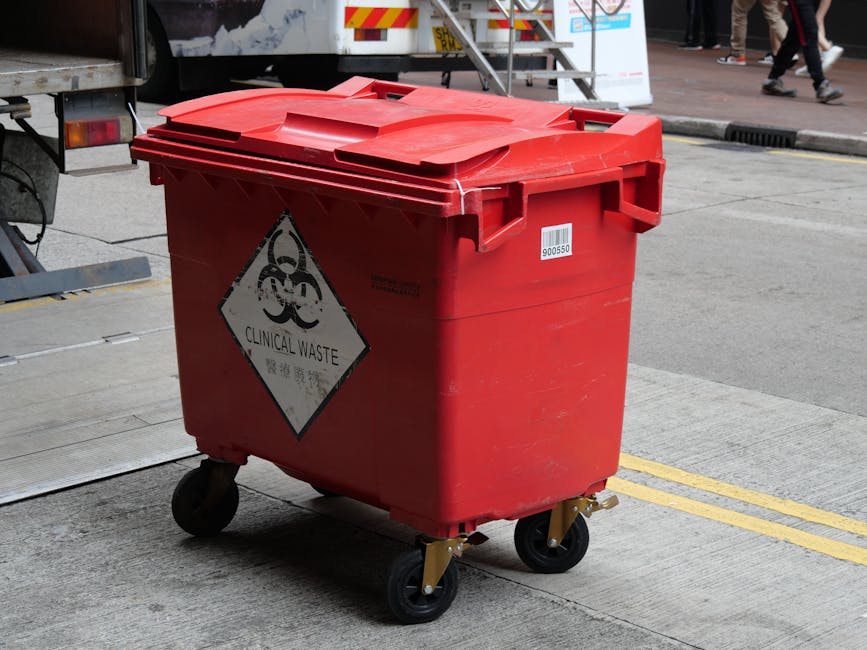
Council waste rules in Paddington: legal disposal guide
If you live, work, or are moving out in Paddington, waste disposal can become awkward fast. One minute you're clearing a flat, the next you're staring at a broken wardrobe, a bag of mixed rubbish, and a box of things you're not quite sure count as recycling. This Council waste rules in Paddington: legal disposal guide is here to make the legal side feel a lot less messy. It explains what usually belongs in council collections, what does not, and how to dispose of bulky or awkward items without creating hassle, fines, or an embarrassing pile on the pavement.
Paddington is a busy part of London, so the rules matter more than most people realise. Missed collection windows, overfilled bags, unsafe placement, and the wrong type of waste can quickly turn into a problem for you and your neighbours. Let's face it, nobody wants a complaint about a mattress left out too early. Below, you'll find clear steps, practical examples, common mistakes, and a sane way to stay on the right side of local waste rules.
Why Council waste rules in Paddington: legal disposal guide Matters
Council waste rules are not just admin. They are part of how streets stay safe, accessible, and reasonably pleasant to live on. In a dense area like Paddington, bins, bags, and bulky items can block pavements, attract pests, or create hazards for passers-by, delivery drivers, and cleaners. The legal side also matters because waste that is dumped, fly-tipped, or placed incorrectly can lead to enforcement action. No one enjoys that conversation.
There is also a practical angle. If you are clearing a property, moving home, or refreshing furniture, the waste stream is rarely neat. You may have cardboard, soft furnishings, old electricals, broken household items, packaging, and a few things that are genuinely not safe to put out with ordinary rubbish. Knowing the rules early helps you plan properly instead of making last-minute guesses on a damp Sunday evening.
In our experience, the people who run into trouble are usually not careless. They are rushed. A box of mixed items gets left by the kerb, nobody separates recycling from rubbish, and suddenly the whole job is delayed. That is why a legal disposal guide is useful: it cuts through the uncertainty before it becomes a problem.
Expert summary: The safest approach in Paddington is to treat waste disposal as part of the job, not the afterthought. Separate, sort, check what your household or business collection accepts, and use the right route for bulky, hazardous, or restricted items.
How Council waste rules in Paddington: legal disposal guide Works
At a high level, council waste systems usually split waste into familiar streams: general rubbish, dry recycling, food waste where provided, garden waste where applicable, and bulky items or special collections. The exact process depends on the property type and the collection service available to you, so it is always worth checking the current local arrangements rather than assuming last year's routine still applies.
For most households, the legal approach is simple in principle:
- use the right container for the right waste type;
- present waste at the right time and in the right place;
- do not overfill bags or bins;
- keep hazardous, electrical, and sharp items separate where required;
- arrange a separate route for bulky waste, if needed.
If you are in a flat, mansion block, or managed building, there may be extra building rules layered on top of council expectations. That is quite common in Paddington. A concierge, managing agent, or landlord may require waste to be stored in a dedicated area, taken down at certain times, or separated in a specific way. The legal rule may be one thing, the building rule another. Both can matter.
For businesses, the process is even more structured. Commercial waste usually needs proper handling, documented collection arrangements, and separation from household waste. If you are clearing an office, shop, or clinic, the safest route is to make sure everything is handled by a lawful waste carrier and stored securely before collection. Our commercial moves page may be useful if your disposal needs are part of a larger workplace move.
And if you are dealing with furniture, mattresses, or mixed contents from a move, some items may be better handled as part of a wider clearance. The pages on furniture removals and furniture pick-up can help when the job is less about binning a few things and more about clearing bulky pieces properly.
Key Benefits and Practical Advantages
Following council waste rules is not just about avoiding penalties. It gives you a cleaner, simpler process from start to finish. When waste is sorted properly, collections are easier, disputes are less likely, and you know what to do with awkward items instead of shoving them out of sight for another week. That sounds small, but it changes the whole pace of a move or clear-out.
Here are the main benefits in plain English:
- Lower risk of fines or enforcement: especially where waste is left incorrectly or dumped.
- Less disruption to neighbours: important in tight residential streets and shared access blocks.
- Better recycling outcomes: sorting correctly makes a real difference to what can be recovered.
- Safer handling: sharp, heavy, or electrical items are less likely to injure someone.
- Faster moves and clearances: you spend less time fixing avoidable waste issues.
There is also a comfort factor. When waste is handled properly, the end of a move feels finished. The hallway is clear, the kerb is not cluttered, and you are not waking up wondering if someone has complained. That matters more than people admit.
If your disposal needs sit alongside a bigger moving project, it can be worth looking at related services such as removal services or man with van support, particularly where bulky items need to be moved away quickly and responsibly.
Who This Is For and When It Makes Sense
This guide is useful for a lot of people, but especially for anyone handling waste in a live, busy London setting. Paddington has a mix of flats, managed buildings, offices, student accommodation, and family homes, so the scenarios vary quite a bit.
You will probably find it most useful if you are:
- moving home and clearing unwanted items before handover;
- living in a flat with shared bins or strict collection rules;
- disposing of furniture, packaging, or old household items;
- running a small business or office and need lawful disposal;
- preparing for a house clearance, partial clear-out, or end-of-tenancy tidy;
- dealing with student move-out waste, which can get chaotic very quickly, truth be told;
- working to a same-day deadline and need a practical disposal plan.
For students, tenants, and short-term renters, the issue is often timing. You might only have a narrow gap between moving out and the next person moving in. In that situation, a straightforward plan beats improvisation every time. If that sounds familiar, student removals and same-day removals can be relevant when the deadline is unforgiving.
For families and homeowners, the need usually shows up during decluttering or after a refurbishment. A broken table, old wardrobe, packaging from flat-pack furniture, and several bags of leftover stuff can pile up fast. If the item is too bulky for normal collections, you need a lawful alternative. Simple as that.
Step-by-Step Guidance
Here is the practical way to handle disposal in Paddington without making it complicated.
- Sort everything into categories. Separate general rubbish, recycling, reusable items, bulky waste, electricals, and anything hazardous.
- Check what can be collected normally. Some items can go out with routine collections; others need separate handling.
- Inspect packaging and mixed loads. A lot of problems come from mixed bags where recycling, food waste, and rubbish are all tangled together.
- Set aside special items. Batteries, paint, chemicals, fluorescent tubes, fridges, and certain electrical items often need extra care.
- Choose the right disposal route. That may mean regular collection, a bulky waste arrangement, reuse donation, or a professional removal.
- Place waste correctly and on time. Follow your building or collection rules exactly. Not nearly exactly. Exactly.
- Keep proof where appropriate. For business waste or larger disposal jobs, keeping records can help if questions arise later.
A very normal example: you are moving out of a Paddington flat on a Friday afternoon. You have cardboard from boxes, a chair with a broken leg, and a bag of old cables. The cardboard may be recyclable if clean and flattened. The chair may need bulky disposal or collection. The cables, depending on condition and type, may belong with electrical waste handling. One pile, three different answers. That is why sorting first is the smart move.
For people packing before a move, using packing and boxes guidance early can reduce waste later. Better boxes, less damage, less random rubbish. Amazing how quickly a move becomes calmer when the cardboard situation is under control.
Expert Tips for Better Results
A few field-tested habits make waste disposal much easier in Paddington. None of these are glamorous, but they save time and arguments.
- Start two days earlier than you think you need to. Waste always takes longer than expected, especially in a flat with limited lift access.
- Keep a separate "questionable items" pile. If you are not sure where something goes, do not throw it in with general rubbish by default.
- Flatten cardboard and break down packaging. It keeps bins and storage areas usable.
- Protect shared spaces. Hallways and front steps matter; a tidy set-down is part of being a good neighbour.
- Use gloves for hidden sharp edges. Old furniture and broken storage items can catch you out.
- Think about reuse first. If something is usable, it may be better to keep it in circulation rather than send it straight to disposal.
One small thing that saves a lot of stress: take a quick photo of bulky items before they leave. Not because you expect trouble, but because memory gets fuzzy once a van has gone and the room looks much better than it did ten minutes ago.
And if you are coordinating a larger clear-out, the support pages on flat removals and house removals can help you plan the broader move around waste disposal rather than treating them as separate jobs.
Common Mistakes to Avoid
Most waste problems in Paddington are caused by a few predictable mistakes. The good news? They are easy to avoid once you know what to watch for.
- Leaving waste out too early. This is one of the quickest ways to create a nuisance or invite complaints.
- Using the wrong bin or bag. Mixed waste can contaminate recycling and cause collection issues.
- Assuming bulky items are automatically accepted. They often need a specific collection route.
- Dumping items in communal areas. Corridors, entrances, and shared bins are not overflow storage.
- Ignoring restricted items. Electricals, chemicals, and certain household items need special handling.
- Leaving everything until move-out day. That is when mistakes happen, almost always.
A common one is the "it looks like waste, so it must be fine" assumption. Not really. A broken lamp, a half-full tin of paint, or an old battery each needs a different decision. The legal side is less about panic and more about sorting properly.
If your project includes disposal of large household items, take a look at furniture removals before you try to wrestle a heavy piece down a narrow stairwell. Your back will thank you later.
Tools, Resources and Recommendations
You do not need a huge toolkit to get waste disposal right, but a few simple items make life easier.
- Heavy-duty bags and boxes: useful for separating waste streams cleanly.
- Marker pen: label recyclables, donations, and disposal items so nobody mixes them up.
- Gloves: essential for handling sharp or dusty items.
- Basic tape measure: handy when checking whether bulky items will fit through doors or lifts before removal.
- Phone camera: useful for recording condition and keeping a simple visual record.
- Checklist on paper or notes app: surprisingly effective when you are juggling a move.
On the service side, useful supporting pages include recycling and sustainability if you want to reduce waste going to landfill, and removal van if the job needs transport rather than a standard collection. For larger or more awkward loads, removal truck hire can be a practical fit.
If disposal is part of a move or workspace refresh, it is also worth looking at office removals and office relocation services so you can keep the whole process aligned instead of handling it in disconnected pieces.
And, because nobody likes surprise extras, it is sensible to review pricing and quotes before booking any collection or move. A clear quote is just less stressful. Simple as that.
Law, Compliance, Standards, or Best Practice
Waste disposal in the UK is shaped by general legal duties, local collection rules, and accepted handling standards. You do not need to memorise legislation to behave correctly, but you do need to understand the big principles: do not dump waste, do not obstruct public areas, do not put out restricted items incorrectly, and make sure waste is passed to lawful handlers when required.
For households, best practice usually means using the council's designated collection system properly and keeping items separated according to the current guidance. For businesses, the bar is higher. Commercial waste should be controlled, documented where appropriate, and kept out of household systems unless specifically allowed. That is not just good practice; it is part of operating responsibly.
There are also safety expectations. Sharp items, heavy furniture, and electrical waste can cause injuries if handled casually. A sound approach is to use protective gloves, avoid overloading bags, and never leave unstable stacks where they can tip or fall. In shared buildings, good practice also means protecting exits, keeping fire routes clear, and avoiding waste storage in communal walkways.
If you are working with any removal provider, it helps to check their health and safety policy and insurance and safety information. Those pages can give you a better feel for how seriously the company treats handling, transport, and risk management.
For trust and accountability more broadly, it can also be reassuring to review about us, terms and conditions, and privacy policy. They are not glamorous reading, obviously, but they tell you a lot about how a business operates.
Options, Methods, or Comparison Table
There is usually more than one legal way to deal with waste in Paddington. The right choice depends on what you are disposing of, how much there is, and how quickly it needs to go.
| Method | Best for | Pros | Watch-outs |
|---|---|---|---|
| Routine council collection | Everyday household waste and recycling | Simple, familiar, usually low effort | Strict rules on timing, separation, and container use |
| Bulky waste arrangement | Large items like furniture or mattresses | Designed for awkward items, cleaner than improvised disposal | May require booking, fees, or item limits |
| Reuse or donation route | Items still in usable condition | Reduces waste, often more sustainable | Not suitable for damaged, dirty, or unsafe goods |
| Professional removal | Mixed, heavy, time-sensitive, or multiple items | Saves time, good for moves and clear-outs | Needs clear scope and a reliable provider |
| Commercial disposal route | Offices, shops, and business waste | Better for compliance and larger volumes | Should not be mixed casually with domestic waste |
For many readers, the answer is a hybrid. Recycle what you can, donate what is usable, and use a professional route for the rest. That tends to be the least stressful option in a busy area like Paddington, especially where stairs, parking, or narrow access make DIY disposal a bit of a faff.
Case Study or Real-World Example
Here is a realistic scenario. A couple are leaving a third-floor flat near Paddington after a five-year stay. They have a sofa that has seen better days, several bags of mixed household waste, a stack of flattened cardboard, and a broken desk chair from a home office corner. The building has shared bins in a rear yard, but the yard is small and the move-out window is tight.
What worked best was not trying to deal with everything in one last-minute rush. First, they separated cardboard from general rubbish and kept a small pile of electrical items aside. Then they checked what could go with regular collections and what needed a separate solution. The bulky sofa and chair were handled through a removal route rather than left near the bins. The result was a cleaner handover, fewer arguments with the building manager, and no awkward scramble on moving day.
The key lesson? The legal disposal part was not difficult. It just needed sequencing. Once you do that, the whole thing becomes much less dramatic. Slightly boring, maybe. But in a good way.
Practical Checklist
Use this checklist before you put anything out or book a collection:
- Have I separated general waste, recycling, and special items?
- Are any items bulky, sharp, electrical, or potentially hazardous?
- Do I know the collection day, time, and placement rules?
- Is my building or landlord adding extra rules on top of council guidance?
- Can any usable items be reused, donated, or kept out of the waste stream?
- Do I need help with heavier items or awkward access?
- Is there enough time to avoid rushing on the day?
- Have I kept walkways, exits, and shared areas clear?
- If this is business waste, is it being handled separately and lawfully?
- Have I chosen a disposal method that fits both the item and the deadline?
That list sounds simple because it is. But it prevents a lot of the common mistakes that create extra work later. And if you are halfway through a flat clear-out with boxes everywhere, it can feel like a small win just to get the categories straight.
Get a free quote today and see how much you can save.
Conclusion
Council waste rules in Paddington are easiest to manage when you treat disposal as part of the plan, not a side issue. Sort early, keep an eye on collection rules, and use the right route for bulky or special items. That simple mindset protects you from avoidable problems and keeps your move, clearance, or office tidy-up moving in the right direction.
If you are dealing with furniture, a full flat clearance, or a time-sensitive move, the smartest next step is to match the disposal method to the item type and the deadline. That is really the whole game. Do that well, and the rest tends to fall into place.
And if all you manage tonight is one properly sorted pile and a clear floor by the door, fair enough. That is still progress.
Frequently Asked Questions
What counts as legal waste disposal in Paddington?
Legal waste disposal usually means using the correct collection route for the waste type, presenting it properly, and not dumping or misplacing items in public or communal areas. For larger or special items, you may need a separate collection or removal solution.
Can I leave bulky waste beside my bins?
Usually not unless it has been arranged through the correct collection route and is allowed under the relevant instructions. Bulky waste often needs booking, and leaving it out informally can create a nuisance or lead to enforcement.
Can I put broken furniture in the council rubbish collection?
Sometimes small pieces can go with routine waste if they fit the rules, but larger furniture usually needs a bulky waste route or professional removal. Sofas, wardrobes, and mattresses are the classic examples.
What should I do with old electrical items?
Electrical items should be handled separately from ordinary rubbish. Depending on the item and its condition, they may need special collection, reuse, or a dedicated disposal route.
Do I need to separate recycling from general waste?
Yes, where recycling services are available and the item is suitable for recycling. Clean, dry materials are usually easier to recover than mixed or contaminated waste. If in doubt, keep it separate until you can check.
Are business waste rules different from household rules?
Yes, commercial waste normally has different compliance expectations. Businesses should keep waste controlled, use lawful collection arrangements, and avoid mixing business waste with domestic collections unless that is specifically allowed.
What if I live in a flat with shared bins?
Shared-bin buildings often have extra rules from landlords, managing agents, or building management. You should follow both the council guidance and any building-specific instructions, especially around timing and placement.
How do I dispose of waste during a move out?
Start sorting early, identify reusable items, separate cardboard and recyclables, and book a bulky waste or removal route for anything too large for normal collections. Moving day is not the moment to improvise if you can avoid it.
Is it better to reuse items instead of throwing them away?
Usually yes, if the item is still safe and usable. Reuse can reduce waste, save money, and make the disposal process simpler. It is also a more sensible option for furniture and household goods in decent condition.
What are the biggest mistakes people make with waste in Paddington?
The most common mistakes are leaving waste out too early, mixing recycling with rubbish, dumping items in communal spaces, and assuming bulky or special items can go with normal collections. Rush is usually the culprit.
Can a removal company help with legal waste disposal?
Yes, a removal company can be helpful where waste is part of a move, clearance, or large item collection. It is wise to check how they handle disposal, transport, safety, and pricing before booking.
What if I need help quickly?
If the situation is time-sensitive, look for a same-day or fast removal solution rather than trying to force everything into routine waste collections. A quick, lawful plan is usually less stressful than a last-minute scramble.
How can I keep waste disposal from becoming chaotic?
Use a simple sort-and-stack system, label piles, keep special items separate, and deal with bulky waste early. It sounds basic, but it works. Most chaos comes from leaving everything too late.